

 See My Latest Article on HelloNation
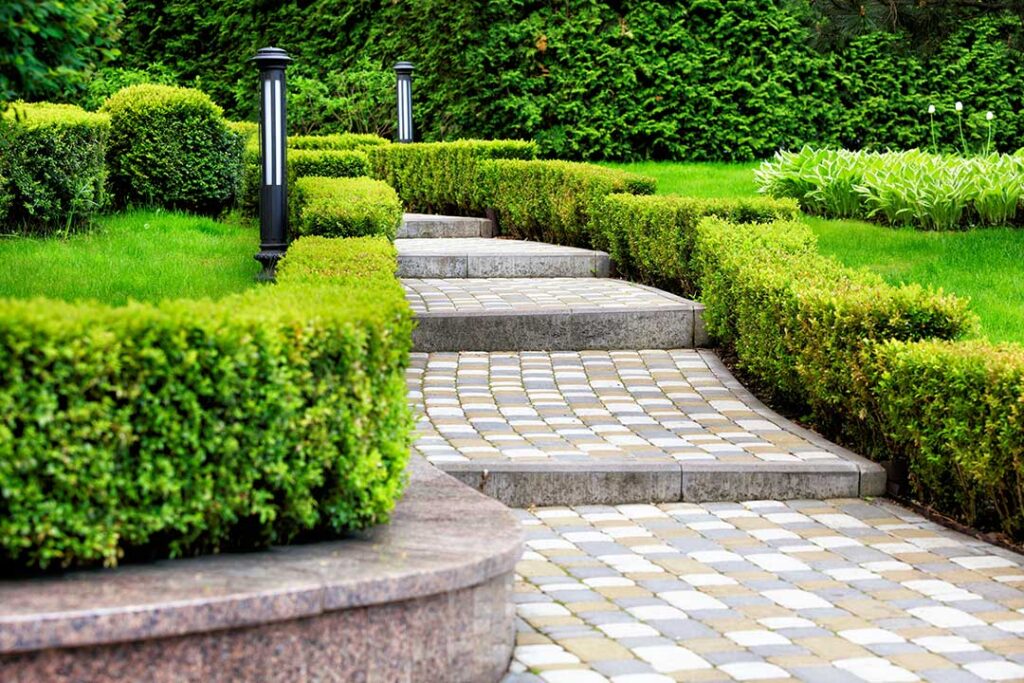
Raised garden beds can make vegetable gardening easier by improving drainage, warming soil in spring, and creating a clearly defined growing area. In Pueblo, CO, a well-planned bed also helps gardeners manage dry conditions, intense summer sun, wind, and alkaline or compacted native soil.
What makes a raised bed useful?
A raised bed is a contained growing area built above the surrounding ground. It may be framed with untreated lumber, stone, brick, or another durable material, then filled with a soil blend suited to vegetables, herbs, flowers, or other plants.
The raised structure provides several practical benefits:
- Better control over soil texture and fertility
- Easier access for planting, weeding, and harvesting
- Improved drainage where native soil is compacted
- A defined place for compost and organic matter
- Less bending when the bed is built at a comfortable height
- More efficient use of water when irrigation is directed into the growing area
A raised bed does not automatically require a deep box. Many crops grow well in 8 to 12 inches of soil, while root crops, tomatoes, and some perennial plants may need more depth.
Where should a raised garden bed be placed?
Choose a location with at least six to eight hours of direct sunlight for most vegetables. Leafy greens and some herbs can tolerate partial shade, but tomatoes, peppers, cucumbers, squash, and many flowering plants need stronger light.
Before building, watch the area for a full day if possible. Note where shade falls from walls, fences, trees, and nearby structures. A location that looks sunny in the morning may become shaded during the afternoon.
The bed should also be close enough to a water source that regular watering is practical. Dry summer air and strong sunlight can cause raised beds to lose moisture faster than surrounding ground. Avoid placing the bed where roof runoff will pour into it, since sudden flows can erode soil and carry contaminants from roofing materials.
Good placement also includes:
- Level or gently sloping ground
- Clear access on at least two sides
- Space for a wheelbarrow or garden tools
- Distance from tree roots that may compete for water
- Protection from unusually strong wind if the site is exposed
In smaller yards, a bed near a patio or side yard can work well as long as it receives adequate sunlight and does not block drainage.
What materials are safe for the frame?
Untreated, naturally durable wood is a common choice because it is easy to cut and assemble. Cedar and similar woods often last longer than ordinary untreated softwood, but any wood eventually weathers, especially where it remains in contact with damp soil.
Avoid wood that has been painted, stained, or treated with unknown chemicals. Reclaimed lumber may contain old coatings, spills, or preservatives that are not appropriate around edible crops.
Other frame options include:
- Concrete blocks
- Natural stone
- Brick
- Galvanized metal designed for outdoor use
- Recycled plastic lumber made for garden construction
The frame does not need to be permanent. A simple bed made from untreated boards can be a practical starting point, while masonry or metal may be more suitable for a long-term installation.
For a basic rectangular bed, use boards that are at least 10 to 12 inches wide. A width of 3 to 4 feet allows most gardeners to reach the center from either side without stepping into the soil. Length can be adjusted to fit the site.
How do you build the frame?
Start by removing weeds, grass, and large roots from the selected area. The ground does not need to be excavated deeply, but clearing the surface reduces competition from existing plants.
Set the boards or other frame materials in place and check that the corners are square. Fasten wood corners with exterior-rated screws rather than relying only on nails. If the bed is longer than about 6 feet, add a center brace or cross support to reduce bowing.
The bed can sit directly on the soil. A layer of plain cardboard underneath may help suppress grass and weeds, but remove tape, glossy coatings, and colored packaging first. Do not place plastic sheeting across the bottom unless drainage is specifically addressed; a sealed bottom can trap water and create unhealthy roots.
If burrowing pests are common in the area, hardware cloth can be placed beneath the bed before adding soil. Secure it to the frame and overlap the edges so animals cannot push underneath.
What soil should go into a raised bed?
Use a mixture that holds moisture while still draining freely. A practical blend often includes:
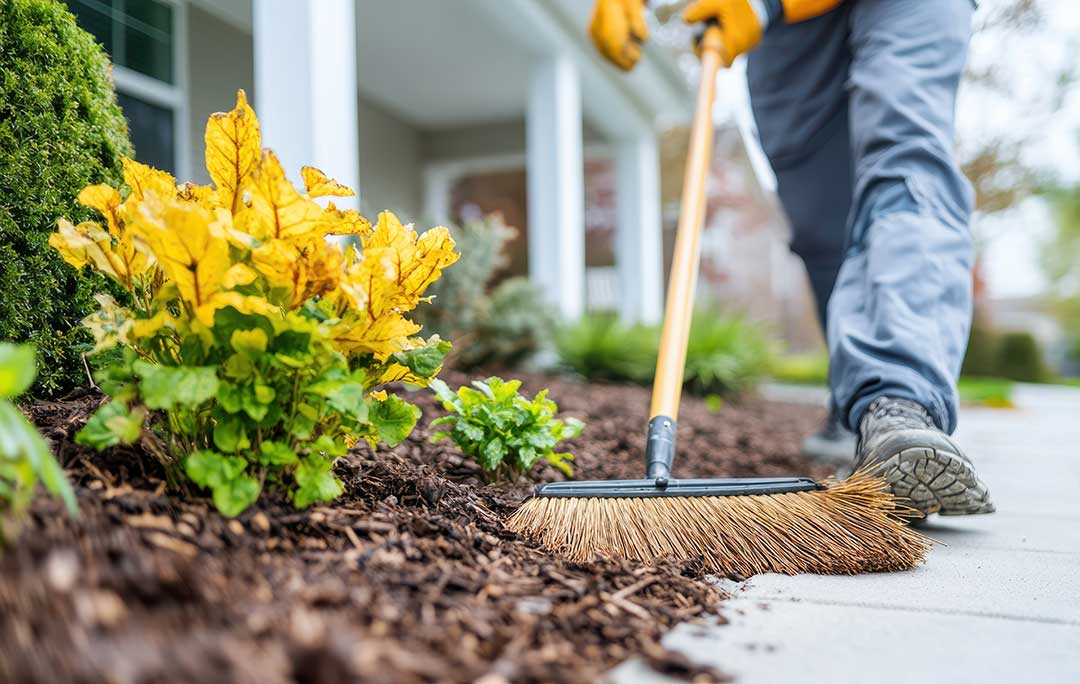
- Approximately half quality topsoil or screened native soil
- Approximately one-quarter finished compost
- Approximately one-quarter aged organic material such as leaf compost or well-decomposed plant matter
Avoid filling a bed entirely with compost. Compost is valuable for fertility, but too much can cause excessive settling, inconsistent moisture, or nutrient imbalances.
In Pueblo, soil and water conditions can be alkaline, and irrigation water may contain dissolved minerals. Adding compost gradually helps improve soil structure without trying to correct every soil characteristic at once. A soil test is useful if plants repeatedly struggle, leaves show unusual discoloration, or the bed will be used for many years.
Do not use fresh manure, untreated pet waste, or soil from an area where chemicals, paint, or other contaminants may have been spilled.
How deep should the soil be?
Depth depends on what will be grown.
- 6 to 8 inches: herbs, lettuce, radishes, and many shallow-rooted flowers
- 10 to 12 inches: beans, beets, chard, strawberries, and many common vegetables
- 18 to 24 inches: tomatoes, carrots, parsnips, potatoes, and larger plants
A shallow bed can be placed over healthy existing soil because roots can continue downward. If the ground underneath is compacted, loosen it with a garden fork before adding the soil, taking care not to mix in contaminated material.
Fill the bed close to the top, leaving about 1 to 2 inches of space to reduce runoff during watering. The soil will settle after the first few weeks, so keep extra soil or compost available for light top-dressing.
How should a raised bed be watered?
Water slowly and deeply enough to moisten the full root zone. Frequent, shallow watering encourages roots to remain near the surface, where they dry out quickly.
A drip system or soaker hose can distribute water efficiently, but hand watering also works for a small bed. Water at the soil surface rather than spraying foliage, especially in the evening. Wet leaves can increase disease problems, while surface watering may evaporate quickly during hot, dry weather.
Check moisture by pushing a finger several inches into the soil. If the soil is dry below the surface, water thoroughly. Mulch made from clean straw, shredded leaves, or untreated plant material can reduce evaporation and moderate soil temperature. Keep mulch a short distance from plant stems to discourage rot and pests.
Which plants work well in a first bed?
Start with crops that match the available light and the season. Leaf lettuce, chard, radishes, beets, beans, herbs, and compact peppers are manageable choices. Tomatoes and cucumbers can also grow well, but they require more space, support, and consistent watering.
Avoid overcrowding. Seed packets and plant labels often provide spacing guidance, but raised beds can support intensive planting only when air circulation and mature plant size are considered. A crowded bed is harder to water, weed, and inspect for insects.
Because summers can be hot and dry, provide temporary shade for cool-season greens during the hottest periods. Planting dates should follow local frost conditions rather than a fixed calendar, since spring temperatures can vary from year to year.
What mistakes should be avoided?
The most common problems are poor placement, undersized frames, weak watering practices, and unsuitable soil.
Avoid building a bed where it receives too little sun, sits in standing water, or cannot be reached easily. Do not make the bed wider than can be comfortably accessed from the sides. Avoid using contaminated reclaimed materials or filling the bed with pure compost.
A raised bed is also not maintenance-free. It still needs regular watering, weed removal, seasonal soil additions, and occasional inspection of the frame. With thoughtful placement and a balanced soil mix, it can provide a productive growing space while making gardening more manageable for local households.