

 See My Latest Article on HelloNation
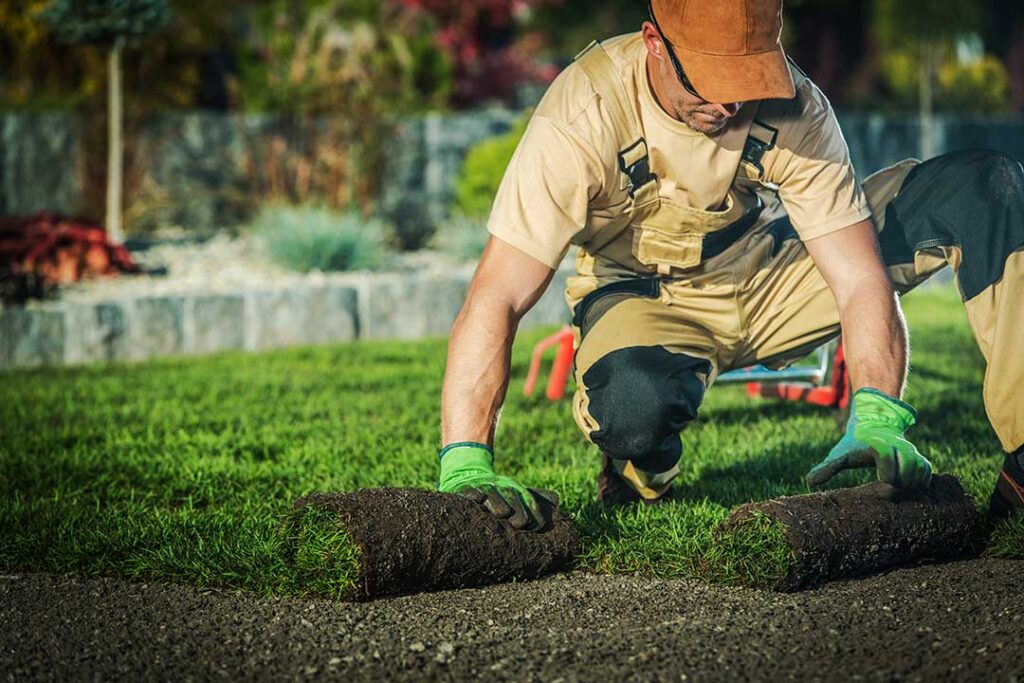
What Makes a Garden Pet-Friendly?
A pet-friendly garden is designed to allow dogs, cats, or other household animals to enjoy outside time safely while protecting plants and landscaping features. In Pueblo, CO, this means considering local climate, plant toxicity, and common pet behaviors so the space works for everyone. The key is balancing pet needs with practical landscaping.
How Can Local Climate Influence Design Choices?
Pueblo’s climate features hot, dry summers and cold winters. This impacts both the health of pets and the durability of plants and materials outside.
- Shade and shelter are particularly important. Pets can overheat quickly during summer, so prioritize trees, pergolas, or shade sails.
- Use hardy ground covers and plants adapted to semi-arid conditions, such as buffalo grass and blue grama, to withstand heavy pet traffic.
- Ensure there is always access to fresh water, especially on hot days. Permanent bowls tucked into shady corners make upkeep easier.
Which Plants Are Safe—and Which Should Be Avoided?
Many common ornamental plants are actually toxic to dogs and cats. Locals sometimes add new greenery without realizing the risks.
Safe, hardy choices for Pueblo gardens may include:
- Sunflowers (Helianthus spp.)
- Marigolds (Tagetes spp.)
- Catnip (Nepeta cataria)
- Asters
- Missouri primrose
Plants to avoid include:
- Oleander
- Foxglove
- Lilies (especially for cats)
- Sago palm
- Autumn crocus
Always verify plant safety using authoritative resources—mistakes in selection can quickly lead to veterinarian visits.
What Surfaces Hold Up to Digging and Running?
Pets, especially dogs, can wear down turf quickly. The right surfaces can keep a yard looking tidy and paws comfortable.
- Artificial turf is highly durable but may get hot in direct sun, so balance with cooler hardscape.
- Decomposed granite and flagstone paths hold up well and minimize muddy paws.
- Mulches like shredded bark are softer on paws than rock or gravel, but avoid cocoa mulch (toxic to dogs).
- Concrete patios or raised beds also create defined areas, deterring digging in planting zones.
Keep in mind, smaller backyard spaces in the city increase wear, so high-traffic zones benefit from tougher materials.
How Can Garden Layout Promote Safety and Harmony?
Designing a pet-friendly garden means anticipating behaviors and creating zones.
- Fenced areas keep cats or dogs from wandering. Check that fencing is tall enough and extends below ground to discourage diggers.
- Designate a “pet restroom” spot. Gravel, pea stone, or mulch in a secluded area encourages pets to do their business off the lawn.
- Create clear paths for pets to run along fences—a “patrol route” helps deter unwanted digging elsewhere.
- Barrier plantings (such as dense shrubs) can protect delicate flower beds or vegetable patches.
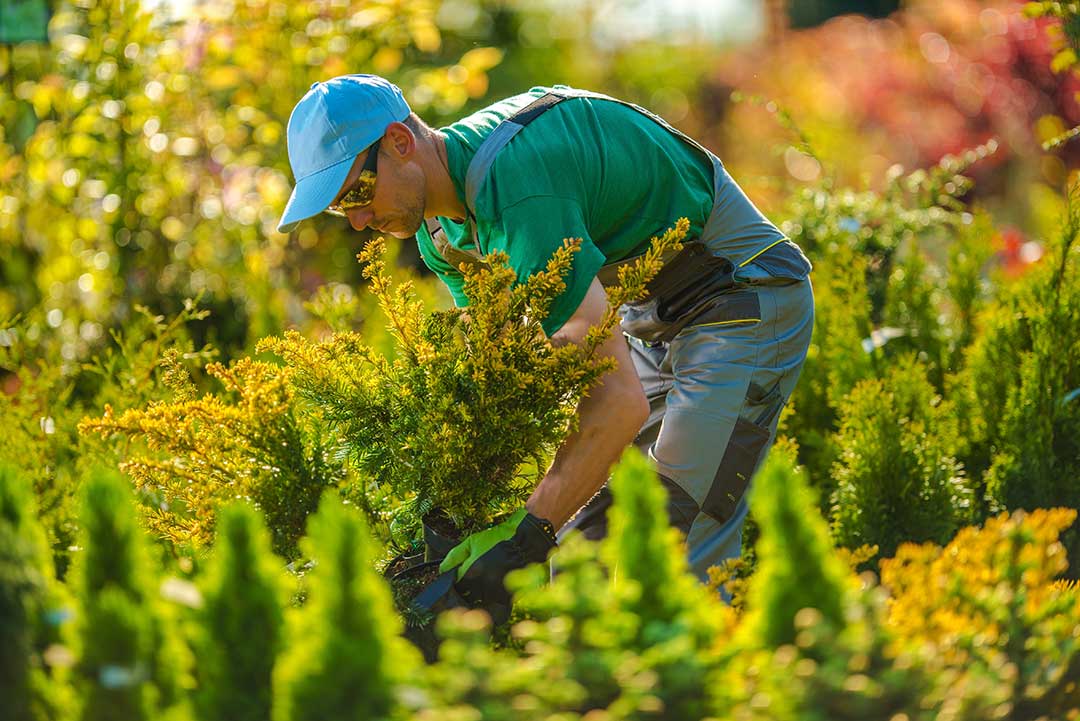
For smaller yards typical in Pueblo’s neighborhoods, vertical gardening can help maximize planting space out of paw’s reach.
How Do Local Regulations Affect Fencing and Shelter?
Pueblo’s city ordinances outline specifications for animal enclosures and fencing. Typically, fencing must be secure and within height limits for residential areas. Always check local guidelines before making permanent changes.
If using kennels or outdoor runs, ensure they provide shade and meet space requirements outlined by local animal control. This keeps pets comfortable and ensures compliance.
What About Water Features and Pesticide Use?
Water features can be an enriching addition for pets, as long as safety is prioritized.
- Avoid deep or steep-sided ponds to prevent accidental falls.
- Circulating fountains and shallow basins are safer and reduce mosquito risk.
- Any standing water should be cleaned regularly to prevent disease.
When controlling weeds or insects, opt for manual methods or pet-safe products. Many standard herbicides and pesticides (like snail bait or systemic rose treatments) are hazardous to animals. Natural alternatives, careful spot treatment, or integrated pest management are safer paths.
How Can the Garden Support Both Play and Calm?
Pets need stimulation as well as quiet, shady rest spots. Incorporate features to support both.
- Add “dig zones” with loose soil or a sandbox to channel natural digging urges.
- Use tunnels, stepping stones, or logs for agility and enrichment.
- Place pet beds or low platforms in cool, sheltered spots for naps and observation.
Carefully planning both active and restful zones makes the yard more inviting for pets of all ages and temperaments.
What Common Challenges or Misconceptions Should Residents Know?
Some residents expect pets to avoid certain areas just by giving verbal commands, but landscape design does most of the real work. Without physical or natural barriers, curious pets explore even “off-limits” garden beds.
Assuming all mulch or decorative stone is safe may result in accidental toxicity or injuries. Double-check surface choices.
In small yards, overplanting can make the garden feel crowded and stressful for pets. Simpler, open layouts are often easier to maintain and keep clean.