
 See My Latest Article on HelloNation
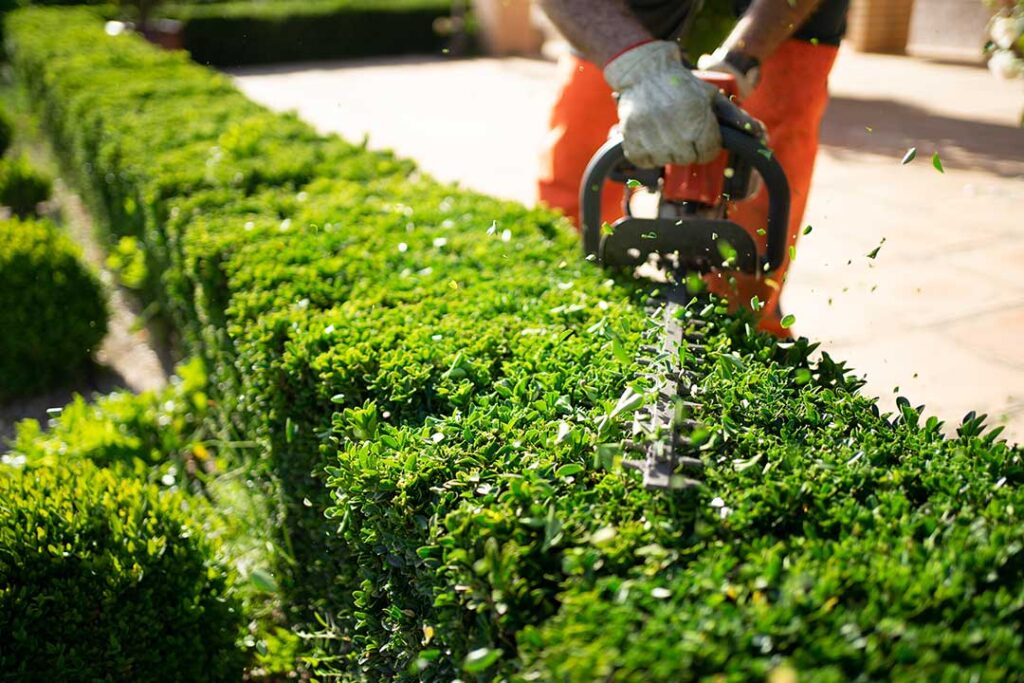
Why Do Residents in Pueblo, CO Need Drought-Resistant Landscaping?
Pueblo, CO lies in a region with hot summers, periodic droughts, and limited natural water supply. As a result, local homeowners often face water restrictions and higher utility costs related to outdoor watering. Creating a drought-resistant landscape can conserve water, make gardens easier to maintain, and keep outdoor spaces attractive even during dry spells.
While traditional lawns and thirsty plants struggle in this climate, drought-resilient yards use less water, recover quickly from dryness, and still offer color and habitat for pollinators. Area households can adjust their approach to gardening and design to match local weather patterns and soil types.
Which Plants Thrive With Less Water in Local Yards?
The best way to start is by choosing plants that naturally need less water. In Pueblo, varieties adapted to high-desert or semi-arid conditions will perform reliably.
Common drought-tolerant choices for the area include:
- Blue grama and buffalo grass for lawns
- Russian sage, yarrow, penstemon, and blanket flower for perennials
- Shrubs like rabbitbrush, three-leaf sumac, and sand cherry
- Shade trees such as honeylocust or bur oak
Native species have an advantage because they're already adapted to local rainfall, soil, and temperature changes. While many non-native “xeric” plants also perform well, double-check hardiness to avoid frost damage.
How Does Mulching Help Conserve Soil Moisture?
Mulch is one of the simplest and most effective water-saving strategies. Spreading organic mulch—such as shredded bark, wood chips, or leaves—over soil around plants helps limit evaporation, moderate soil temperature, and reduce weed growth.
For Pueblo gardens:
- Apply 2-4 inches of mulch around shrubs, trees, and garden beds, keeping mulch a few inches from stems or trunks to prevent rot.
- If choosing decorative rock as mulch, keep in mind that it can raise ground temperatures in full sun, which may stress young plants.
Consistent mulching can dramatically lower water needs and improve soil quality over time, making it a valuable step for any local yard design.
Can Lawns Be Made More Drought-Resistant?
Sizable turfgrass lawns are among the highest outdoor water users. Many local residents reduce their lawn footprint or switch to turf varieties with low water requirements.
Options include:
- Replacing high-water-use grass with buffalo grass or blue grama, which turn brown when dormant but recover with rainfall
- Limiting lawn to functional areas, like play spaces or pet zones, and converting the rest to mulched beds or groundcovers
Lawns should be mowed high (about 3 inches), with grass clippings left to shade roots and return nutrients to the soil. Watering deeply but infrequently encourages grass to grow deeper roots, increasing drought tolerance.
How Can Yard Design Reduce Water Use Overall?
Thoughtful landscape design helps ensure every drop of water supports plant health. Grouping plants with similar water needs together (“hydrozoning”) makes irrigation more efficient.
Other helpful design principles are:
- Sloping beds slightly to direct water toward roots and away from hard surfaces
- Installing rain gardens or shallow depressions to collect runoff where soil is slow to absorb water
- Keeping hardscape—like patios and walkways—minimal or permeable, letting rain soak in rather than run off
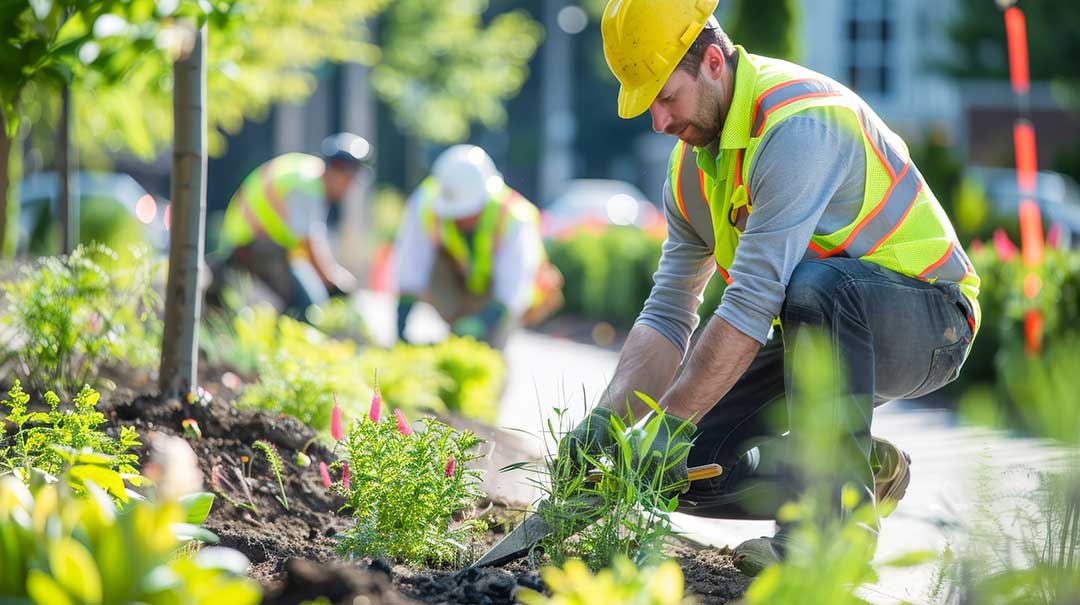
Reducing turf, clustering low-water plants, and using mulch collectively minimize water demand and wasted runoff.
What Irrigation Methods Work Best for Water Conservation?
Hand watering and hose-end sprinklers tend to waste water due to evaporation and uneven coverage. More efficient approaches include:
- Drip irrigation: Directs water right to plant roots with minimal loss and works well under mulch
- Soaker hoses: Allow slow soaking of garden beds, best covered with mulch to prevent sun damage
- Watering in early morning: Reduces water lost to wind and evaporation
Adjusting timers or hand-watering to match rainfall keeps irrigation efficient and avoids overwatering, which can drown drought-adapted plants or cause shallow rooting.
Are There Common Mistakes to Avoid When Creating a Drought-Resistant Landscape?
Many area households unintentionally waste water or select plants that cannot handle the region’s heat and limited summer rain. Two common pitfalls are assuming any gravel or rock yard is automatically drought-resistant, and over-fertilizing, which can increase plants’ water needs.
Other missteps to watch for:
- Overcrowding plants, which creates dense shade and competes for moisture
- Neglecting soil improvement—amending clay-heavy soil with compost can help with water absorption and root development
- Using too much plastic sheeting under mulch, which blocks water and air from reaching plant roots
Getting familiar with local soil and climate allows for better plant selection and landscape planning.
How Does Adopting These Practices Benefit Residents and the Community?
Water-wise landscapes use significantly less irrigation, saving on utility bills and reducing pressure on municipal water supplies. These landscapes are often more resilient to unpredictable weather, provide wildlife habitat, and require less ongoing maintenance.
For Pueblo, shifting from traditional lawns to drought-adapted gardens and efficient irrigation can contribute to long-term water security, ecosystem health, and community pride—helping to meet both personal and regional challenges with practical solutions.