
 See My Latest Article on HelloNation
How Are Pueblo, CO Residents Adapting Landscaping to Local Climate Challenges?
Water conservation and ecological adaptation are top priorities in Pueblo, CO landscaping trends. Area households are shifting away from water-heavy lawns and opting for xeriscaping, a method that uses drought-resistant plants and minimal irrigation. This approach maximizes both resource efficiency and visual appeal, helping gardens stay attractive through hot summers and variable rainfall.
Xeriscaping in Pueblo commonly features:
- Native grasses like blue grama and buffalo grass
- Low-water perennials such as yarrow, penstemon, and Russian sage
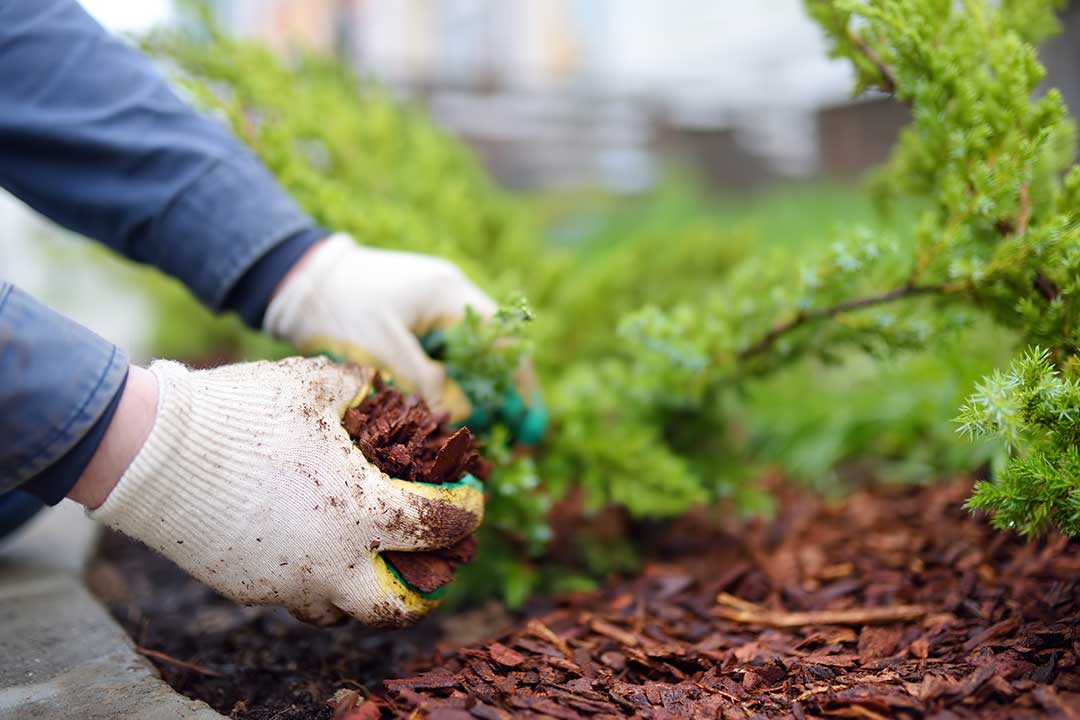
- Mulching with rocks or bark to reduce moisture loss
Beyond saving water, these choices also lessen fertilizer needs and mowing.
What Yard Designs Offer Privacy and Usable Space in Modern Neighborhoods?
Local families are creating multi-functional outdoor spaces combining privacy with places to gather. Due to suburban layouts and smaller lots, thoughtful design makes a significant difference.
Popular updates include:
- Layered shrub borders and strategically placed trees to create secluded nooks
- Fences combined with climbing vines for screening
- Multi-level patios that separate lounge, play, and garden zones
Residents sometimes worry that privacy plantings will crowd neighbors or require high maintenance. Choosing slow-growing evergreens and spacing thoughtfully helps avoid disputes or unwanted chores.
Are Edible Gardens and Pollinator Habitats Becoming More Popular Locally?
Interest in growing food at home is rising throughout the community. Homeowners are mixing vegetables, herbs, and fruiting shrubs directly into landscape beds, seamlessly blending beauty and utility.
Integrated gardens may feature:
- Edible plants like currants, rhubarb, and chard as foundation plantings
- Native wildflowers interspersed within vegetable plots to attract bees and butterflies
- Small orchard trees, such as peaches and apples, along sunny property edges
This trend provides a double benefit: household food production and support for local pollinators, which help all plants thrive.
How Are Hardscapes Evolving in Response to Weather Extremes?
Pueblo’s temperature swings and intense sun pressure are shaping new choices for patios, walkways, and gathering areas. Residents look for materials that stand up well to freeze-thaw cycles, resist fading, and require low maintenance.
Instead of traditional poured concrete, many are installing:
- Permeable pavers that allow rainwater absorption and limit runoff
- Crushed stone or decomposed granite paths for informal seating zones
- Shade features, such as pergolas, trellises, and shade sails, to cool outdoor living spaces
It’s common to see backyard upgrades include built-in seating walls and fire pits that extend the usable season into cooler evenings.
How Are Homeowners Encouraging Wildlife Without Attracting Pests?
Residents increasingly want landscapes that welcome birds, butterflies, and beneficial insects while discouraging unwanted mammal visitors. Achieving this balance involves careful plant selection and habitat design.
Best practices include:
- Adding water features like birdbaths at least 20 feet from doors to deter wildlife indoors
- Selecting berry-producing shrubs for birds, but avoiding dense groundcovers that might shelter rodents
- Choosing night-scented flowers for moths and bats, which help with evening pollination
Overlooking pest control can lead to unwanted animal issues, especially in areas bordering open space. Monitoring and small adjustments, like raising feeders or using motion-activated lights, can help.
What Are Common Misconceptions About Low-Maintenance Landscaping?
Many assume that switching to drought-tolerant or native landscaping eliminates all yard work. While these approaches can cut chores, some annual upkeep is still needed.
Typical tasks for water-wise and native yards:
- Spring and fall mulching to suppress weeds and conserve moisture
- Pruning perennials and shrubs for health and tidiness
- Occasional weeding and monitoring for invasive species
Misunderstanding these needs can result in overgrown, unattractive yards. Preparation and seasonal check-ins keep landscapes thriving with less work than traditional lawns.
Which Lighting Trends Improve Safety and Ambiance in Local Yards?
Outdoor lighting has moved beyond a simple porch bulb. Local homeowners now use integrated landscape lighting to highlight features, improve nighttime safety, and create inviting moods for evening use.
Techniques being used include:
- Low-voltage LED path lights along walkways
- Accent uplights on specimen trees or architectural walls
- Soft string lighting or lanterns over patios
Solar fixtures are increasingly practical due to Pueblo’s sunny climate, making it easy to add ambiance without increasing energy bills.