

 See My Latest Article on HelloNation
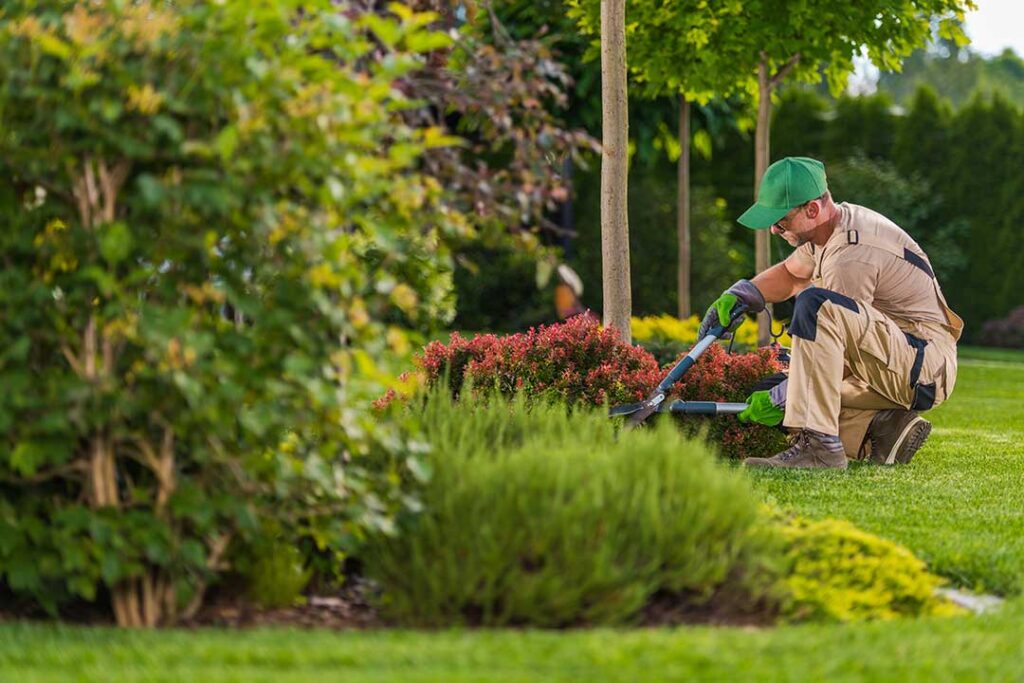
A colorful landscape does not need to bloom in every month. In Pueblo, CO, the most reliable year-round interest comes from combining evergreen structure, seasonal flowers, ornamental grasses, colorful stems, persistent seedheads, and thoughtful placement.
The goal is to create a garden that changes throughout the year while still looking intentional during the quiet months. This approach is especially useful in the area’s dry climate, strong sun, wind, summer heat, and occasional rapid temperature changes.
What creates year-round color in a local landscape?
Year-round color comes from more than flowers. A balanced planting plan uses several types of visual interest:
- Evergreen foliage that remains green, blue, or gray through winter
- Spring bulbs and early-blooming perennials
- Summer flowers that tolerate heat and limited rainfall
- Fall foliage, seedheads, berries, and ornamental grasses
- Winter stems, bark, structure, and dried flower heads
A yard planted only with summer-blooming flowers may look attractive for a few weeks but appear bare in early spring and winter. Evergreens and durable shrubs provide the foundation, while perennials and annuals fill in seasonal gaps.
Which evergreen plants provide color during winter?
Evergreens are the backbone of a landscape that needs visual interest in every season. Conifers are often the most dependable choice because they tolerate cold, dry air, and periods of limited moisture after they are established.
Useful options may include compact junipers, upright junipers, mugo pine, ponderosa pine, and other regionally adapted conifers. Their foliage can range from deep green to blue-green, and their shapes add structure even after snow or frost.
Broadleaf evergreens can also contribute color, but they may need more careful placement. Some perform best in protected areas with afternoon shade or shelter from drying winter winds. Avoid placing evergreen shrubs where reflected heat from walls or pavement can cause repeated winter stress.
Evergreens should not be planted in overly wet soil. Poor drainage and excessive irrigation can damage roots, especially in areas where the soil stays wet after summer watering.
What should be planted for spring color?
Spring color begins with bulbs and early perennials. Crocus, species tulips, daffodils, grape hyacinth, and ornamental alliums can provide flowers before many shrubs and perennials have fully leafed out.
Daffodils are often useful in local landscapes because they are generally less attractive to deer and some other browsing animals than many tender spring bulbs. Plant bulbs in fall while the soil is still workable, following the depth and spacing instructions for each type.
Early perennials can extend the season after bulbs fade. Pasque flower, penstemon, creeping phlox, and certain varieties of yarrow may provide flowers in spring or early summer while using less water than many traditional bedding plants.
Spring is also a good time to appreciate foliage color. Silver-gray plants such as certain sages, artemisia, and lamb’s ear can brighten a planting bed before summer flowers appear.
Which plants handle summer heat and dry conditions?
Summer color is easiest to maintain when plants are matched to the site rather than treated as interchangeable. Full-sun areas need plants that can handle intense light, reflected heat, wind, and periods of dryness.
Reliable choices may include:
- Blanket flower for red, orange, and yellow blooms
- Penstemon for tubular flowers and pollinator activity
- Catmint for long-lasting purple or blue flowers
- Yarrow for flat flower clusters and fernlike foliage
- Coneflower for sturdy summer blooms and seedheads
- Russian sage for lavender flowers and silvery foliage
- Rocky Mountain columbine in suitable, less-exposed locations
- Lavender hyssop and other upright flowering perennials for texture and pollinator value
Not every drought-tolerant plant performs well in every part of a yard. A plant beside a south-facing wall may experience much more heat than the same plant in an open bed. Likewise, a low spot may collect runoff and support plants that need more moisture.
Group plants according to their water needs. Plants that require regular irrigation should not be mixed randomly with plants that prefer dry soil. Separate watering zones make it easier to keep both types healthy.
How can a garden stay colorful in fall?
Fall interest often comes from foliage, seedheads, grasses, and late flowers rather than large displays of blooms. Ornamental grasses can provide movement and texture while their tan, bronze, or copper tones remain attractive into winter.

Switchgrass, little bluestem, and blue grama can contribute seasonal color when planted in appropriate locations. Many native and adapted grasses also provide habitat and food for birds when their seedheads are left standing.
Late-blooming perennials such as asters, goldenrod, blanket flower, and certain sedums help carry color into September and October. Their flowers are useful for pollinators preparing for winter.
Shrubs can add another layer of fall interest. Some produce red, orange, or yellow foliage, while others develop berries. Berry-producing plants should be selected with mature size, water needs, and wildlife expectations in mind. Fruit can attract birds, but fallen berries may also create mess near patios and walkways.
What plants provide winter interest besides evergreens?
Winter landscapes benefit from plants with strong form and visible texture. Ornamental grasses can remain upright under frost or light snow. Perennials with sturdy stems and dried seedheads can create attractive patterns when they are not cut back too early.
Shrubs with colorful or textured bark may also help. Red-twig dogwood, for example, can provide bright stems, although it generally needs more moisture than many strictly xeric shrubs. In a drier bed, carefully chosen shrubs with twisting branches, persistent fruit, or distinctive bark may provide a similar structural role.
Winter interest also comes from hardscape and planting arrangement. Boulders, stone edging, evergreen shapes, and sculptural branches become more visible when flowers and foliage have disappeared. A garden does not need to be full of plants to look complete in January; it needs a few strong forms placed where they can be seen.
How should plants be arranged for continuous color?
Layering is more effective than scattering individual plants throughout the yard. Place the tallest evergreen or shrub forms toward the back or along property edges. Use medium-height perennials in groups, then place lower plants near paths and viewing areas.
Repeating a plant in several locations creates visual continuity. Three or five plants of the same type usually create more impact than several unrelated single plants.
A practical seasonal sequence might include:
- Evergreen shrubs and conifers for winter structure
- Bulbs and early perennials for spring
- Penstemons, catmint, yarrow, and other heat-tolerant plants for summer
- Grasses, asters, sedums, and seedheads for fall
- Dried stems, bark, and evergreen foliage for winter
Choose plants based on mature size rather than the space they occupy at the garden center. Crowded plants require more pruning, compete for water, and may develop disease or weak growth.
What are common mistakes with year-round planting?
The most common mistake is choosing plants for peak bloom without considering the rest of the year. Another is assuming that a plant labeled drought-tolerant needs no water after planting. Newly installed trees, shrubs, perennials, and grasses need regular establishment watering, even when they are intended for a low-water landscape.
Avoid planting tender plants in exposed locations simply because they survived one mild winter. Local microclimates vary considerably between sheltered courtyards, open yards, slopes, and areas beside pavement.
Mulch can help moderate soil temperature and reduce evaporation, but it should not be piled against trunks or shrub stems. Keep irrigation appropriate to the plant group, and provide supplemental water during prolonged dry periods, including some mild winter stretches when the ground is not frozen.
A successful four-season landscape in Pueblo uses fewer plants chosen more carefully. Evergreen structure, seasonal bloom, durable foliage, ornamental grasses, and winter stems can provide color and texture without creating a high-water garden.