

 See My Latest Article on HelloNation
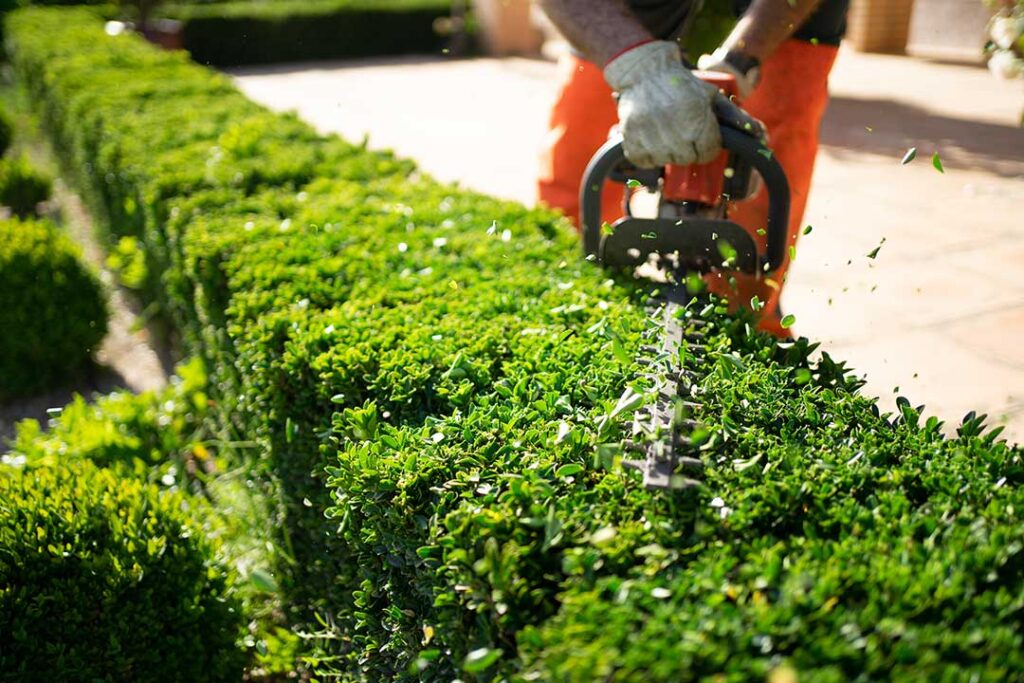
A healthy lawn depends less on constant treatment than on consistent basic care. In Pueblo, CO, lawns must handle intense sun, dry air, wind, compacted soil, and sharp changes between hot summers and cold winters. The most reliable approach is to match mowing, watering, soil care, and seasonal timing to those conditions.
How often should a lawn be watered?
Water when the soil and grass show signs of need rather than following a fixed daily schedule. Established turf generally benefits from deep, thorough watering followed by enough drying time for the soil surface to begin drying.
Check the soil about 3 inches below the surface with a screwdriver or small trowel. If the soil is dry and difficult to penetrate, watering may be needed. If it is still damp, wait before irrigating.
Signs of drought stress include:
- Footprints that remain visible after walking across the grass
- Grass blades that fold, wilt, or develop a dull blue-gray color
- Dry soil beneath the surface
- Uneven brown patches in areas that receive less water
Early morning is usually the most efficient time to water because evaporation and wind are often lower. Avoid frequent light sprinkling, which encourages shallow roots and may leave the surface wet long enough to increase disease problems.
Sprinklers should apply water evenly without creating runoff. On sloped or compacted areas, use several shorter cycles with time between them so water can soak in rather than flow into sidewalks or streets. Adjust irrigation after rain, during cooler weather, and when windy conditions increase water loss.
What mowing height is best for local lawns?
For many established cool-season lawns, a mowing height of about 2½ to 3 inches provides a useful balance between appearance, root support, and drought tolerance. Taller grass usually shades the soil better and develops a larger leaf surface for producing energy.
Avoid removing more than one-third of the grass blade during a single mowing. Cutting too much at once can expose the crown of the plant, weaken roots, and leave the lawn vulnerable to heat stress. If the lawn has grown unusually tall, raise the mower first and reduce the height gradually over several mowings.
Keep mower blades sharp. Dull blades tear the grass instead of making clean cuts, leaving ragged tips that dry out more quickly and can create a gray or brown cast.
Grass clippings can usually remain on the lawn when they are short enough to fall between the blades. They return small amounts of nutrients to the soil and do not create thatch by themselves. Remove clippings only when they are excessively long, wet, or clumped together.
How can soil compaction be corrected?
Compacted soil restricts air, water, and root growth. It is common in areas where children play, pets travel repeatedly, vehicles cross the lawn, or construction activity has disturbed the soil.
A compacted lawn may show:
- Water pooling on the surface
- Thin growth despite adequate sunlight
- Bare paths along commonly used routes
- Soil that is hard to penetrate
- Roots concentrated near the surface
Core aeration can improve these conditions by removing small plugs of soil. For cool-season turf, early fall is often a suitable time because grass can recover while temperatures are moderate. Aeration is most useful when the soil is moist but not saturated.
Do not aerate extremely dry soil, freshly seeded areas, or lawns suffering from active disease. After aeration, leave the soil plugs on the lawn so they can break down naturally.
When should fertilizer be applied?
Fertilizer should support active growth, not compensate for poor watering, shade, compaction, or an unsuitable grass type. Applying more fertilizer than the lawn can use may cause excessive leaf growth, increase mowing, and contribute to runoff.
A soil test can help determine whether nutrients are actually needed. Without testing, avoid routine applications based only on the calendar or the color of the grass.
For many cool-season lawns, the most useful fertilizer timing is late summer through early fall, when roots can continue developing under cooler conditions. Spring applications may be appropriate in some situations, but heavy early-season feeding can produce lush top growth before the lawn is prepared for summer heat.
Water fertilizer into the soil according to label directions, and never apply it before heavy rain or onto frozen ground. Sweep granules from sidewalks, driveways, and other hard surfaces to reduce runoff.
How should weeds and bare spots be managed?
A dense, properly mowed lawn is one of the strongest defenses against weeds. Thin areas allow sunlight to reach the soil, giving weed seeds room to germinate.
Begin by identifying why a bare spot developed. Common causes include shade, foot traffic, irrigation problems, pet activity, insects, disease, or compacted soil. Reseeding without correcting the underlying problem often produces temporary results.
For small bare areas:
1. Remove dead debris and loosen the upper layer of soil.
2. Add a thin layer of suitable soil or compost if the surface is poor.
3. Spread seed appropriate for the site’s sunlight and water conditions.
4. Keep the seedbed consistently moist until seedlings are established.
5. Reduce traffic while new grass develops.
Weed control products should be selected only after identifying the weed and confirming that the timing is appropriate. Applying a treatment to the wrong plant, during extreme heat, or near newly seeded grass can cause additional damage.
What seasonal lawn care is useful in Pueblo?
Seasonal adjustments are more effective than treating the lawn the same way throughout the year.
Spring: Inspect irrigation heads, repair leaks, remove winter debris, and begin mowing as growth resumes. Wait until the soil is workable before heavy foot traffic or cultivation.
Summer: Mow high, monitor for drought stress, and water deeply when needed. Inspect sprinkler coverage regularly because wind, clogged nozzles, and shifted heads can create dry strips or soaked areas.
Fall: This is often an excellent period for core aeration, overseeding, and measured fertilization. Cooler temperatures support root growth, while moderate soil moisture helps new seed establish.
Winter: Reduce traffic on frozen or snow-covered grass because brittle crowns can be damaged easily. Avoid piling deicing salts, snow, or concentrated runoff on lawn edges.
Which grass types use less water?
Grass species differ greatly in water demand, appearance, and seasonal behavior. Kentucky bluegrass can provide a dense, attractive lawn but generally requires more supplemental irrigation during hot, dry periods. Tall fescue may develop deeper roots when properly established, while buffalograss and blue grama can tolerate greater dryness but may turn dormant or brown during stressful periods.
The right choice depends on sunlight, soil, intended use, irrigation availability, and tolerance for seasonal dormancy. A lawn that is well matched to its location will usually require fewer corrective measures than one planted in unsuitable conditions.
How can lawn problems be diagnosed before treatment?
Brown grass does not always mean the lawn needs more water. Overwatering, poor sprinkler coverage, insects, disease, dog activity, fertilizer injury, and soil compaction can create similar symptoms.
Before treating a problem, compare the affected area with healthy sections. Check soil moisture, look for uniform or irregular patterns, inspect grass crowns and roots, and review recent mowing and irrigation practices. A problem that appears in a narrow strip may point to sprinkler coverage, while circular or spreading patches may require closer examination.
Careful observation prevents unnecessary watering and chemical use. In many cases, correcting mowing height, irrigation timing, traffic, or soil compaction resolves the underlying issue more effectively than adding another product.