
 See My Latest Article on HelloNation
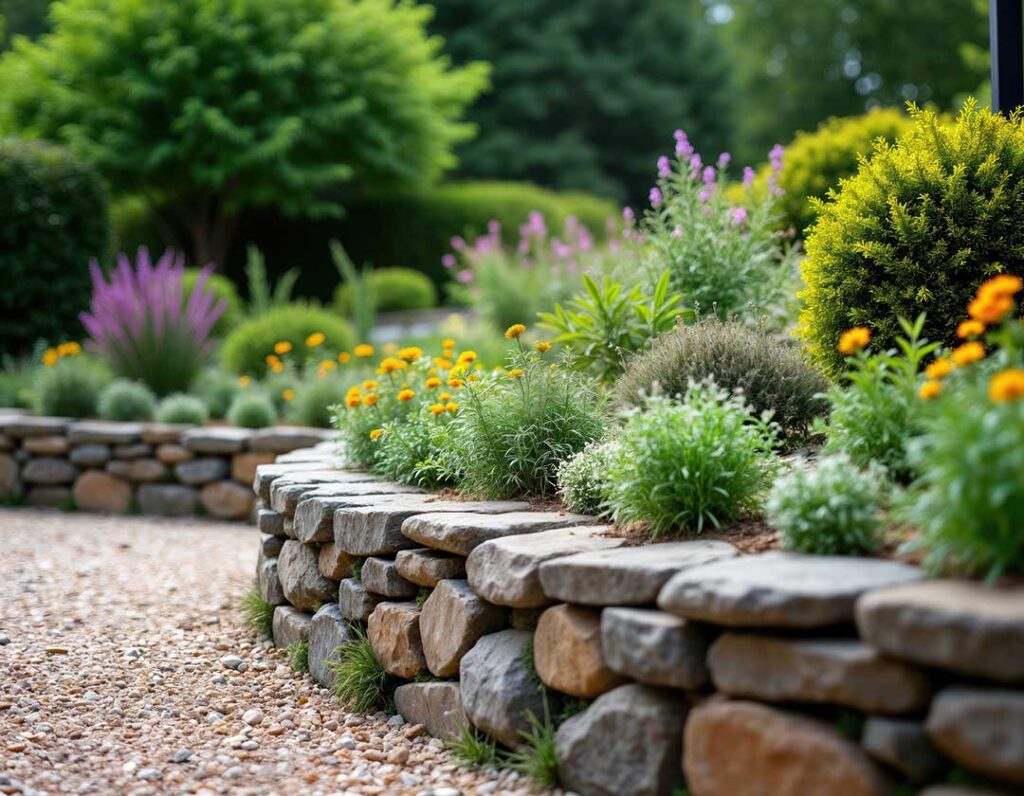
Native plants can make a landscape more resilient, attractive, and useful to local wildlife, but “native” does not automatically mean “right for every yard.” Successful selection depends on matching each plant to the site’s sunlight, soil, moisture, wind exposure, mature size, and intended use.
What does “native plant” mean?
A native plant is a species that evolved in a particular region or ecosystem over a long period of time. These plants developed alongside local insects, birds, soil organisms, and weather patterns.
For homeowners, native plants may offer several practical benefits:
- Better adaptation to local temperature swings
- Lower supplemental water needs after establishment
- Habitat and food for pollinators and birds
- Reduced dependence on fertilizer and pesticides
- A landscape character that fits the surrounding prairie and high-desert setting
Native does not mean maintenance-free. Newly planted natives need regular watering while roots develop, and even established plants may need occasional irrigation during prolonged heat or drought.
Why should plant selection be based on the specific site?
A plant that thrives in one part of Pueblo may struggle in another yard only a short distance away. Soil may be compacted near a newer home, sandy in one area, heavy clay in another, or affected by construction debris and fill.
Start by observing the planting area before choosing species. Record:
- How many hours of direct sunlight the area receives
- Whether the site faces south, west, east, or north
- Where water collects after rain or irrigation
- How quickly the soil dries
- Whether the area is exposed to strong wind
- How much reflected heat comes from walls, pavement, or fences
- How much foot traffic, pet activity, or snow storage the area receives
A west-facing strip beside a driveway is much hotter and drier than a shaded foundation bed. Treating both areas as if they have the same growing conditions often leads to unnecessary watering and plant loss.
Which native plants fit the local climate?
Pueblo has hot summers, cold winter nights, relatively low annual precipitation, strong sunlight, and periodic drying winds. Plant choices should tolerate both summer heat and winter cold rather than being selected only for flower color.
For sunny, dry areas, examples to research include:
- Blue grama grass
- Buffalo grass
- Prairie zinnia
- Blanketflower
- Penstemon species
- Rabbitbrush
- Yucca species suited to the site
These plants differ in height, bloom time, soil preference, and water needs. A low-growing grass may work near a walkway, while rabbitbrush or taller flowering perennials may be better toward the back of a planting bed.
For areas with somewhat more moisture or filtered shade, look for regional native species that tolerate those conditions instead of assuming every native plant prefers full sun and dry soil. Some native plants naturally grow near waterways, in sheltered draws, or beneath larger plants and may decline in an exposed, hot location.
The plant label should list more than “native.” Check for mature size, sun exposure, drainage, moisture preference, and cold tolerance.
How does soil affect native plant choices?
Soil is one of the most overlooked parts of plant selection. Many regional natives are adapted to soils that are relatively low in organic matter and do not require rich garden soil. Adding large amounts of compost to every planting bed can create conditions that are too fertile or poorly drained for plants adapted to lean soils.
Before planting, examine the soil:
- Dig a hole about 12 inches deep and inspect its texture.
- Squeeze moist soil to see whether it forms a sticky ribbon or falls apart easily.
- Fill the hole with water and observe how quickly it drains.
- Look for buried construction material, dense layers, or compacted soil.
- Consider a soil test if plants repeatedly fail despite adequate watering.
Clay soil may need improved drainage rather than simply more fertilizer. In some locations, modest amounts of compost and small aggregate can improve the root zone. Sandy or rocky soil may benefit from limited organic matter, but over-amending can encourage weak, fast growth.
Avoid creating a small pocket of highly amended soil surrounded by dense native soil. Roots may remain confined to the planting hole instead of spreading into the surrounding ground.
How much water will native plants need?
Native plants generally need less irrigation than high-water turf or moisture-loving ornamentals, but they are not drought-proof immediately after planting.
During the establishment period:
- Water deeply enough to moisten the root zone.
- Allow the surface to begin drying between waterings when appropriate.
- Adjust watering for heat, wind, soil type, and plant size.
- Reduce frequency gradually as roots grow.
- Avoid frequent shallow watering that encourages weak surface roots.
Group plants with similar moisture needs together. A plant requiring regular moisture should not share an irrigation zone with a dryland grass simply because both tolerate full sun.
A useful layout may place higher-water plants closer to the house or another convenient water source, with the driest-tolerant species farther from regularly irrigated areas.
Should every plant in the yard be native?
No. A landscape can include native plants and well-adapted nonnative plants without being unsuccessful. The most useful standard is whether each plant fits the site and does not create problems for surrounding vegetation.
A nonnative plant may be reasonable if it has similar requirements for water, sunlight, soil, and temperature. However, avoid species known to spread aggressively or appear on noxious weed lists. A plant that is attractive in a garden can still become difficult to control if it escapes into open spaces.
A diverse planting is usually more resilient than a single-species bed. Combine grasses, flowering perennials, shrubs, and ground-level plants so that the landscape offers different forms of shelter and food throughout the growing season.
How can residents avoid common native-plant mistakes?
Several mistakes occur repeatedly:
Choosing by appearance alone: A plant may look appealing at a garden center but fail beside hot pavement or in compacted clay.
Assuming “low-water” means no irrigation: Establishment watering is essential, especially during hot, dry weather.
Planting too closely: Native plants often look small when purchased but may reach their full size after several seasons.
Overwatering drought-adapted species: Constantly wet soil can cause root problems and shorten plant life.
Removing all plant material in fall: Standing stems and seed heads can provide winter shelter and food for birds and beneficial insects.
Using only one type of plant: Monocultures are more vulnerable to pests, disease, and weather extremes.
Ignoring mature height near windows or sidewalks: A plant that is attractive at ground level may later block visibility or crowd a walkway.
When is the best time to plant native species?
Spring and early fall are generally useful planting periods because temperatures are less stressful than during the hottest part of summer. Fall planting can allow roots to develop before the next growing season, while spring planting provides a longer period for establishment before winter.
Container-grown plants should be handled gently, with roots spread or loosened when tightly circling the pot. Plant at the same depth as the container unless reliable regional guidance indicates otherwise. A layer of organic mulch can reduce evaporation and moderate soil temperature, but keep mulch away from the crown and stems.
Selecting native plants is less about finding a universally perfect species and more about understanding the conditions already present in the yard. Begin with the site, match plants to its limitations, and use a mixture of species that can tolerate the region’s heat, cold, wind, and changing moisture conditions.